

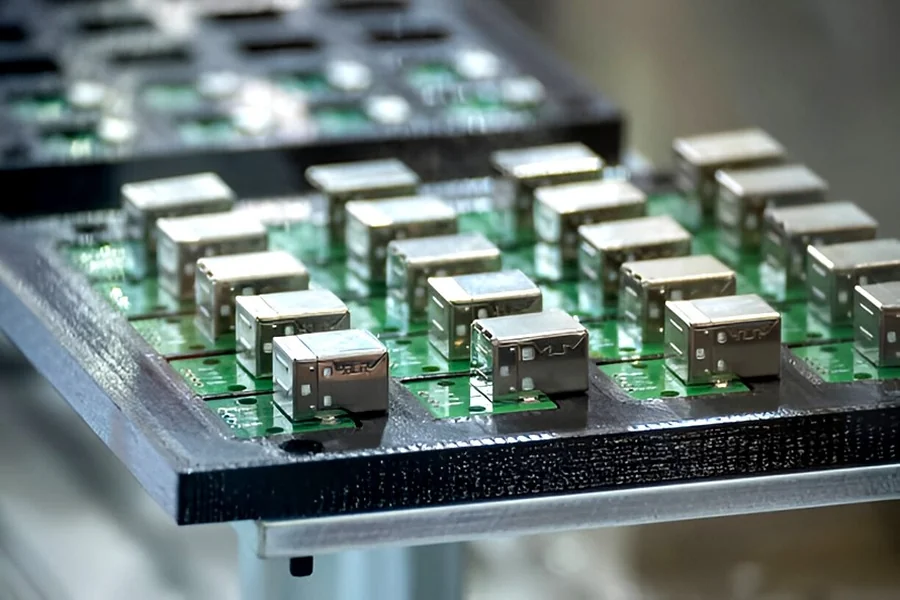
The Quick Turn Circuit Board has become essential in today’s fast-paced electronics industry, where product development cycles are shorter, and innovation must keep up with market demand. This type of PCB is manufactured with accelerated production timelines, enabling engineers and businesses to move from design to functional prototypes in just a few days. Quick turn solutions are especially valuable for startups, R&D teams, and companies launching new products where time-to-market is a competitive advantage.
What is a Quick Turn Circuit Board?
A Quick Turn Circuit Board refers to a printed circuit board that is designed, fabricated, and delivered in a significantly reduced lead time compared to standard PCB manufacturing. These boards are fabricated using streamlined processes, priority scheduling, and advanced equipment that allow faster turnaround without compromising quality. They are available in single-layer, double-layer, and multilayer formats depending on project requirements.
Features of Quick Turn Circuit Boards
Quick turn boards are characterized by their short production cycle, flexibility in accommodating design changes, and compatibility with both prototype and small-volume production runs. They are manufactured with the same quality standards as traditional PCBs, ensuring durability, precise performance, and compatibility with various applications.
Importance of Quick Turn Circuit Boards in Product Development
In industries where speed drives competitiveness, the Quick Turn Circuit Board is critical. It enables engineers to test designs rapidly, identify flaws, and make adjustments before committing to mass production. By accelerating the development phase, businesses reduce costs, minimize risks, and improve their ability to deliver cutting-edge products to the market faster.
Applications of Quick Turn Circuit Boards
Consumer Electronics
Quick turn PCBs support the rapid launch of smartphones, wearables, and smart home devices by enabling fast prototyping and design iterations.
Automotive Electronics
With advanced features such as ADAS and EV systems, the automotive sector depends on Quick Turn Circuit Boards for efficient development and integration of electronic components.
Medical Devices
Medical innovations often require strict testing and fast prototyping. Quick turn boards help manufacturers bring reliable diagnostic and therapeutic devices to market quickly.
Aerospace and Defense
Defense systems and aerospace technologies rely on fast prototype development for mission-critical components, making quick turn PCBs a strategic necessity.
Advantages of Quick Turn Circuit Boards
The primary advantage of a quick turn board is speed. Projects that would typically take weeks can now be completed in a few days. This reduces the time between design and functional testing, allowing engineers to refine their projects efficiently. Additionally, quick turn solutions provide cost benefits by identifying design issues early, preventing expensive mistakes in large-scale production.
Future of Quick Turn Circuit Boards
As electronic devices continue to evolve rapidly, the demand for Quick Turn Circuit Boards will only increase. Advancements in automated manufacturing, AI-driven design verification, and improved materials will further shorten production times and enhance reliability. The future points toward even faster and more efficient prototyping solutions that will redefine innovation cycles across industries.
Conclusion
The Quick Turn Circuit Board has become a cornerstone of modern electronics by enabling rapid prototyping, reduced lead times, and accelerated innovation. From consumer electronics to aerospace, these boards support industries where speed and precision are vital. To ensure the best results, partnering with an experienced Quick Turn Circuit Board Manufacturer guarantees high-quality production, fast delivery, and reliable solutions tailored to your project needs.
