

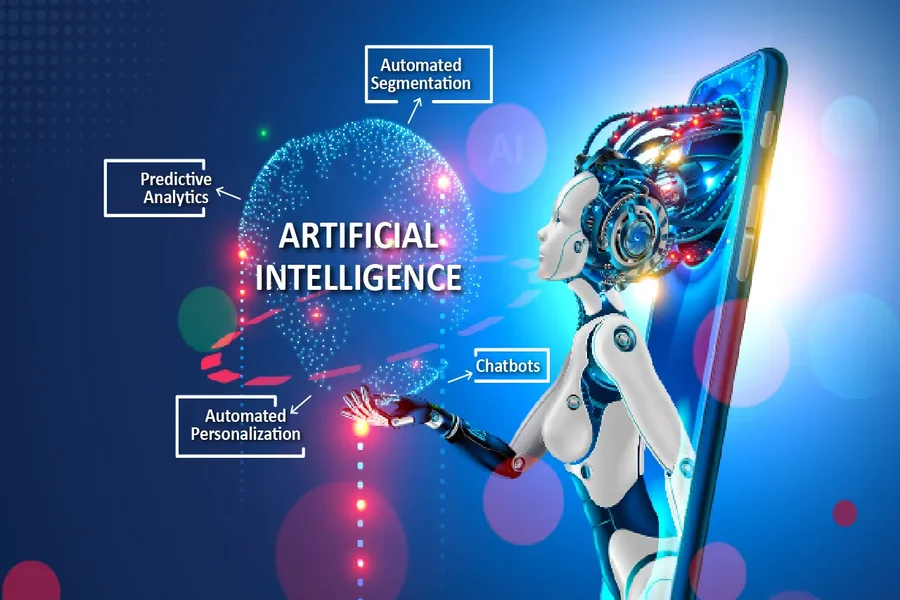
Artificial intelligence is rapidly reshaping the way businesses approach digital marketing. What once relied heavily on manual analysis and intuition is now increasingly driven by data, automation, and machine learning. From improving audience targeting to optimizing advertising performance, AI is enabling marketers to create smarter and more efficient campaigns.
As online competition continues to grow, businesses must adapt to new technologies that allow them to better understand their customers and deliver personalized experiences. AI-powered tools are becoming essential components of modern digital marketing strategies.
The Rise of AI in Digital Marketing
AI has gained momentum in digital marketing because it can analyze large amounts of data much faster than humans. Marketers today have access to massive datasets including user behavior, search trends, purchase history, and engagement metrics. AI systems can process this information in real time and uncover patterns that would otherwise be difficult to detect.
This ability allows businesses to make more informed decisions and develop campaigns that are based on measurable insights rather than guesswork.
For example, AI tools can identify which keywords are most likely to drive traffic, determine the best time to publish content, and recommend ways to improve campaign performance.
Improved Audience Targeting
One of the most significant benefits of AI in digital marketing is its ability to improve audience targeting. Instead of relying solely on broad demographic data, AI can analyze behavioral patterns and predict user intent.
This allows marketers to deliver content and advertisements to the people most likely to be interested in a product or service. By understanding user preferences, browsing habits, and past interactions, AI can help businesses create highly personalized marketing campaigns.
Personalized messaging often leads to higher engagement, improved conversion rates, and a better overall customer experience.
Smarter Advertising Optimization
AI is also transforming how paid advertising campaigns are managed. Platforms like Google Ads and social media advertising networks increasingly rely on machine learning to optimize ad performance.
These systems can automatically adjust bidding strategies, allocate budgets across campaigns, and identify which ad variations perform best. As a result, businesses can maximize their advertising spend while reducing wasted budget.
AI-driven optimization helps marketers continuously refine campaigns based on performance data, making digital marketing efforts more efficient over time.
Content Creation and Optimization
Content remains a central element of successful digital marketing strategies. AI-powered tools are now assisting marketers with content creation, topic research, and optimization.
For example, AI can analyze search trends and recommend topics that are likely to attract organic traffic. It can also suggest improvements to headlines, meta descriptions, and keyword usage to help content perform better in search engines.
While AI does not replace human creativity, it can significantly enhance the efficiency of content marketing by providing valuable insights and recommendations. Businesses can also explore helpful resources and trends on hebeos.com to stay informed and improve their digital marketing strategies.
Predictive Analytics for Better Strategy
Another powerful advantage of AI is predictive analytics. By examining historical data and user behavior patterns, AI systems can forecast future outcomes and help marketers make proactive decisions.
For example, predictive analytics can help businesses identify which leads are most likely to convert, which marketing channels generate the best results, and which customers may be at risk of disengaging.
These insights allow companies to allocate resources more effectively and build digital marketing strategies that focus on long-term growth.
The Future of Digital Marketing
AI will continue to play an increasingly important role in digital marketing as technology evolves. Businesses that embrace data-driven tools and automation will be better equipped to understand their audiences and deliver meaningful digital experiences.
However, successful marketing will still require a balance between technology and human expertise. Creativity, storytelling, and brand identity remain critical components of effective campaigns.
By combining AI-powered insights with strategic thinking, businesses can develop digital marketing campaigns that are both innovative and impactful. For additional insights and practical resources, visit stayinthewoods.com.
