

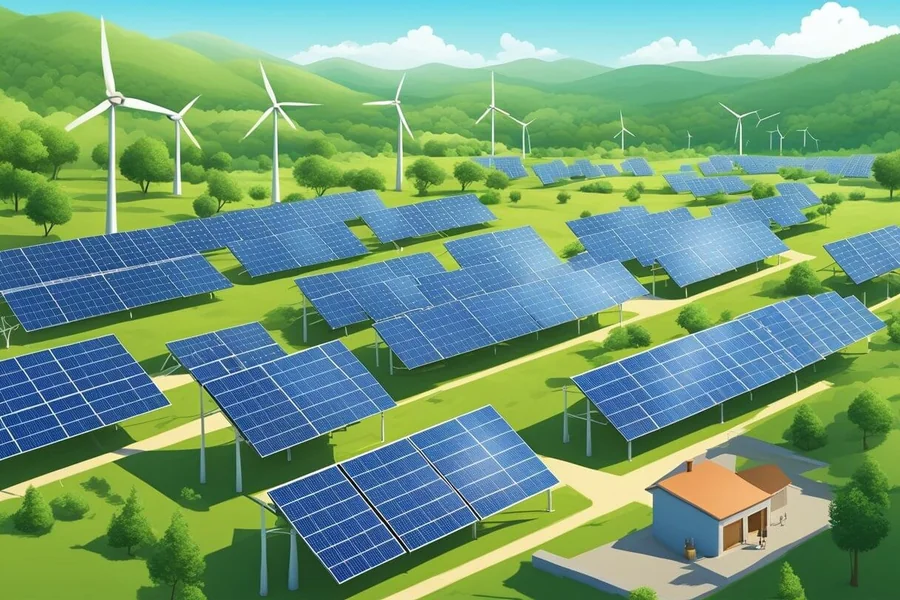
For more than a decade, the residential solar market has been shaped by the pursuit of lower utility costs and cleaner energy choices for homeowners. Freedom Forever Solar, one of the nation’s largest residential solar providers, reflects how that promise is evolving as technology and consumer expectations advance. Today, customers want more than panels on their rooftops. The next phase of home energy is centered on self-sufficiency, moving beyond grid dependency with solutions that combine solar generation, battery storage, Electric Vehicle (EV) integration, and smart grid connectivity.
This shift calls for more than advances in hardware. It depends on strategic planning, coordinated operations, and a workforce prepared to manage new forms of energy technology. Companies that begin adapting their systems and training now will be better positioned to meet demand as integrated energy solutions become the standard for residential solar.
Why Energy Storage Matters
Energy storage plays a defining role in the shift from grid dependency to self-sufficiency. While rooftop solar panels generate electricity during the day, they cannot supply continuous power on their own. Batteries resolve this limitation by capturing surplus energy and making it available when sunlight is limited or demand increases. This storage capability allows households to maintain consistent power, reduce exposure to utility rate fluctuations, and improve overall reliability. At the same time, distributed storage systems support the wider grid by easing demand during peak periods and helping integrate renewable energy more efficiently.
For customers, the benefits are immediate, including improved resilience, greater control over energy consumption, and reduced exposure to utility rate fluctuations. For the grid, distributed storage reduces strain during peak demand periods and supports stability as more renewable energy sources come online. Companies that incorporate storage into their offerings also gain a competitive advantage. Customers increasingly view batteries not as optional add-ons but as essential components of a complete solar system.
Preparing for EV Integration
As electric vehicle adoption accelerates, homeowners are looking for energy solutions that connect directly to their transportation needs. Integrating EV charging with solar and storage systems allows households to power cars with renewable energy, reducing both costs and emissions.
For solar providers, EV integration requires new technical expertise and coordination with utility programs. Installers must be trained to configure systems that balance household consumption, storage capacity, and charging demands by equipping their workforce with the knowledge and tools to manage EV-ready installations. By preparing teams for the growing intersection of solar and transportation, the company positions itself at the forefront of a rapidly expanding market.
Smart Grid Connectivity
The shift toward self-sufficiency does not mean disconnecting from the grid entirely. Smart grid technologies enable homes to interact dynamically with utility systems, selling excess energy back to the grid or adjusting consumption based on demand signals.
These capabilities create mutual benefits. Homeowners gain new revenue streams or bill savings, while utilities gain flexibility in managing distributed energy resources. For solar providers, offering systems that integrate seamlessly with smart grid programs enhances customer value and supports broader energy transition goals.
Operational Implications for Solar Companies
Supporting integrated systems requires more than new equipment. It demands operational adjustments across the company. Cloud-based platforms must develop to handle more complex project designs that include batteries, EV chargers, and grid connectivity. Customer service teams must be trained to explain these technologies clearly, while project managers must coordinate additional permitting and inspection requirements.
This operational readiness is achieved by embedding integration into its proprietary platforms. By connecting sales, engineering, installation, and service teams, Freedom Forever ensures that projects involving storage and smart systems remain coordinated and efficient. This behind-the-scenes coordination is central to why Freedom Forever reviews often emphasize reliability, accountability, and customer support. Every successful installation is a product of this synchronized, people-powered engine.
Developing the Solar Workforce for the Next Era
The rapid rise of energy storage and integrated systems is transforming the skills required in solar installation. Modern professionals must now navigate both physical and digital environments, balancing technical precision with data awareness. Installers are expected to manage battery systems, configure EV chargers, and interpret performance data through digital monitoring platforms.
Training models across the industry are evolving to meet this complexity. Community colleges, trade programs, and apprenticeship initiatives are expanding their curricula to include advanced modules on energy storage, smart grid interaction, and digital project management. Within companies, continuous training encourages collaboration between electricians, technicians, and project managers, building teams capable of managing integrated systems from design through activation.
This new generation of solar training emphasizes adaptability and lifelong learning. As technology advances, professionals who can combine craftsmanship with technical fluency will define the next chapter of clean energy. Investing in workforce development today ensures that solar companies can meet the growing demand for reliable, efficient, and connected energy solutions tomorrow.
Equity and Access in the Energy Transition
As storage and integrated systems become more common, equity must remain a priority. Without targeted efforts, advanced technologies risk being accessible only to wealthier households, leaving underserved communities behind.
Companies can address this challenge by offering financing options, designing systems that prioritize affordability, and ensuring that digital platforms are accessible in multiple languages. Workforce development efforts focused on underrepresented groups also expand opportunities for communities that have historically been excluded from clean energy benefits.
Economic Impact of Integrated Systems
The adoption of storage, EV integration, and smart grid connectivity has significant economic implications. For homeowners, it reduces long-term energy costs and provides greater financial predictability. For companies, it creates new revenue streams and strengthens customer loyalty.
Investors gain confidence in providers that demonstrate readiness for advanced technologies, while local economies benefit from job creation in installation, maintenance, and technical support. At the grid level, distributed energy resources reduce strain on infrastructure, saving costs for utilities and ratepayers alike.
The future of residential solar lies in integrated systems that combine generation, storage, EV charging, and smart grid connectivity. These technologies reduce dependency on utilities, increase resilience, and empower homeowners to take control of their energy use. Preparing for this future requires both operational innovation and workforce investment. By equipping teams with the tools and training needed to support advanced systems, Freedom Forever shows how solar providers can deliver customer confidence while shaping the next phase of clean energy.
